Key Takeaways
- Meta AI recommends businesses it can clearly understand and verify.
- Consistent profiles, messaging, and website alignment improve discoverability.
- Social proof and responsiveness strengthen both trust and visibility.
- Clear niche positioning makes your brand easier to match to user queries.
- The scorecard identifies gaps, but long-term clarity drives results.
Meta AI is rapidly becoming a recommendation layer across Facebook, Instagram, Messenger, and WhatsApp. In 2025, Meta expanded AI summaries, in-app business recommendations, and conversational commerce features across its platforms. With over 3.2 billion daily active users across Meta’s family of apps, AI-assisted discovery is no longer experimental. It is operational.
There is no submission form to add your website to Meta. No ranking dashboard to show if you are ranked or any shortcut to visibility.
But visibility is not random.Meta AI recommends brands it can clearly recognize and understand. Businesses that appear consistently make their information clear and consistent across all digital platforms.
At Market Aspex, we view Meta AI visibility as a systems issue, not a social media trick. When strategy improves internal clarity, it improves revenue predictability and brand loyalty at the same time.
This guide introduces a practical Visibility Scorecard and explains how improving these signals strengthens your entire business.
How Meta AI Recommends Businesses in 2026
Meta AI does not function like a traditional search engine. It does not rank ten blue links or publish a list of ranking factors. Instead, it generates conversational responses based on signals it already understands and trusts.
When someone asks Meta AI for a recommendation, the system pulls from multiple layers of data. This includes Meta-owned platforms such as Facebook and Instagram, public business websites, trusted third-party sources, and real engagement signals like reviews and messaging activity.
In other words, Meta AI recommends businesses it can clearly identify, interpret, and validate.
Where Those Signals Come From
At a foundational level, Meta AI relies on:
- Information published on Meta platforms
- Your business website
- Third-party authority mentions
- Engagement, reviews, and messaging responsiveness
- Brand consistency across channels
Recent SERP patterns show that brands gaining more AI-assisted visibility tend to share several structural advantages. They typically have:
- Structured service pages with clear commercial intent
- Strong and active review ecosystems
- Consistent name, address, and category alignment
- Responsive messaging systems
These are not AI tricks. They are operational clarity signals.
What Happens in a Real Query
If a user asks, “Who is the best eCommerce analytics agency in Florida?” Meta AI does not simply search for the highest traffic website. It looks for businesses it can confidently match to that request.
That means it evaluates:
- Clear service specialization
- Geographic clarity
- Consistent messaging across platforms
- Proof signals such as reviews and authority mentions
If your positioning is vague, overly broad, or inconsistent, the system struggles to categorize you. And when AI systems struggle to categorize a brand, they typically move on.
The Strategic Takeaway
From a business perspective, Meta AI visibility is less about optimizing for artificial intelligence and more about building interpretability. The clearer your business model, services, and positioning are across digital touchpoints, the easier it is for AI systems to recommend you.
The Meta AI Visibility Scorecard
At Market Aspex, we approach Meta AI visibility the same way we approach revenue optimization. We do not look for shortcuts. We evaluate systems.
Meta AI Visibility Scorecard is a strategic diagnostic tool designed to assess whether your business has the structural signals Meta AI needs to confidently recognize and recommend you.
The core question we ask is simple:
If Meta AI were asked to recommend a company like yours, would your digital infrastructure provide enough clear, consistent data to justify that recommendation?
The scorecard evaluates five performance categories that directly influence AI-assisted discoverability and, more importantly, operational maturity.
The Five Visibility Drivers
- Meta Platform Infrastructure
- Customer Activity and Social Proof
- Messaging and Response Systems
- Website Clarity and Commercial Alignment
- Niche Positioning and Brand Consistency
Each category is not just an AI signal. It is a reflection of how structured and scalable your business actually is.
2. Social Proof and Customer Activity
Social proof is not just a marketing metric, It is a trust asset that directly impacts revenue velocity and brand equity.
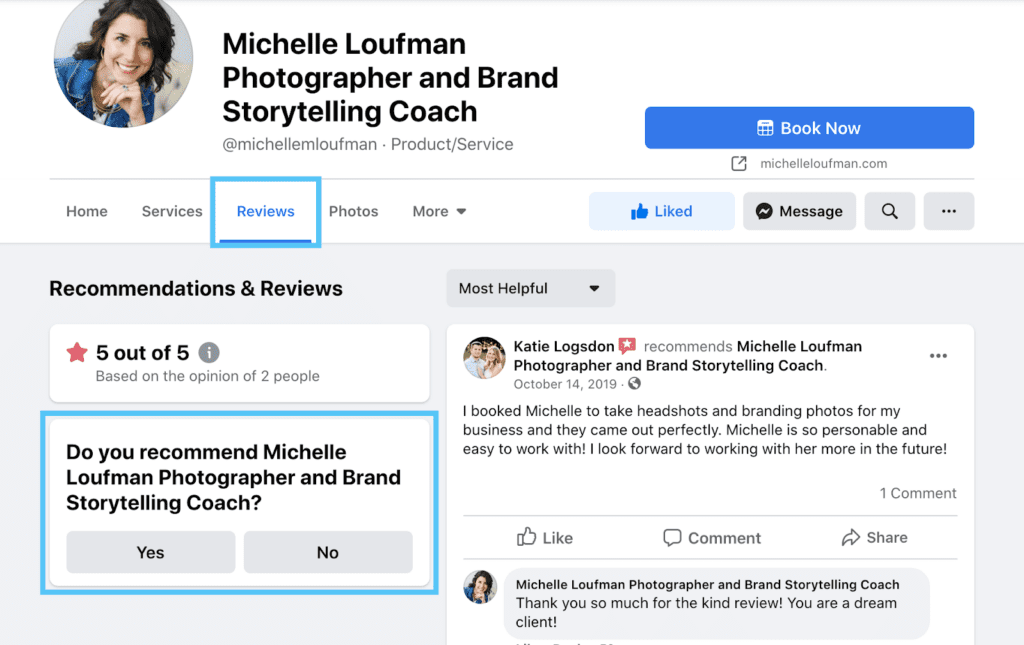
Meta AI evaluates whether real customers are actively engaging with your business. It looks for signals such as:
- Reviews and star ratings
- Comments on posts
- Tagged mentions and shared content
- Evidence of ongoing engagement
You do not need daily viral activity. What matters is consistency and legitimacy.
Long periods of silence, outdated reviews, or zero engagement create uncertainty. To an AI system, inactivity can signal instability. To a prospective customer, it signals risk.
Operationally, building a review and engagement system improves more than visibility:
- It shortens the trust cycle in the sales process
- It strengthens referral momentum
- It increases lifetime value through community reinforcement
BrightLocal reports that over 85 percent of consumers read reviews before engaging a business. AI systems mirror this human behavior. They prioritize brands with visible proof.
When social proof becomes systematic instead of accidental, both AI visibility and conversion performance improve.
3. Messaging and Responsiveness
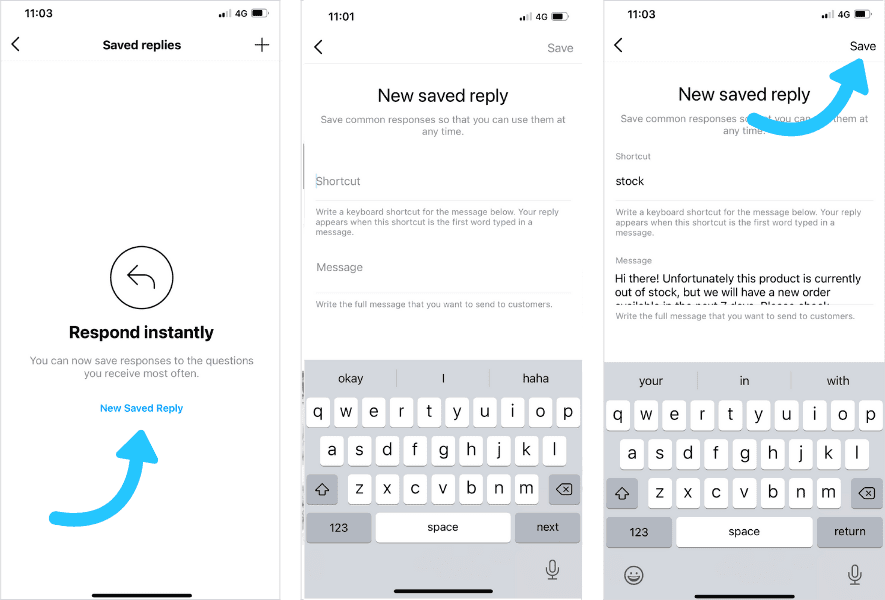
Meta AI operates in conversational environments. Many interactions happen inside Messenger, Instagram DMs, and WhatsApp. If your business is recommended, the next step is often a direct message.
From a strategic standpoint, responsiveness is revenue infrastructure.
Meta AI is more likely to support businesses when:
- Messaging is enabled across relevant platforms
- Response times are consistent and timely
- Automated replies are accurate and aligned with services
- Information shared through messages matches public positioning
Research from Harvard Business Review shows companies that respond to inquiries within one hour are significantly more likely to qualify leads compared to those that delay responses.
Internally, improving messaging systems drives:
- Cleaner lead routing
- Faster qualification
- Higher close rates
- Better attribution tracking
4. Website Clarity and Strategic Alignment
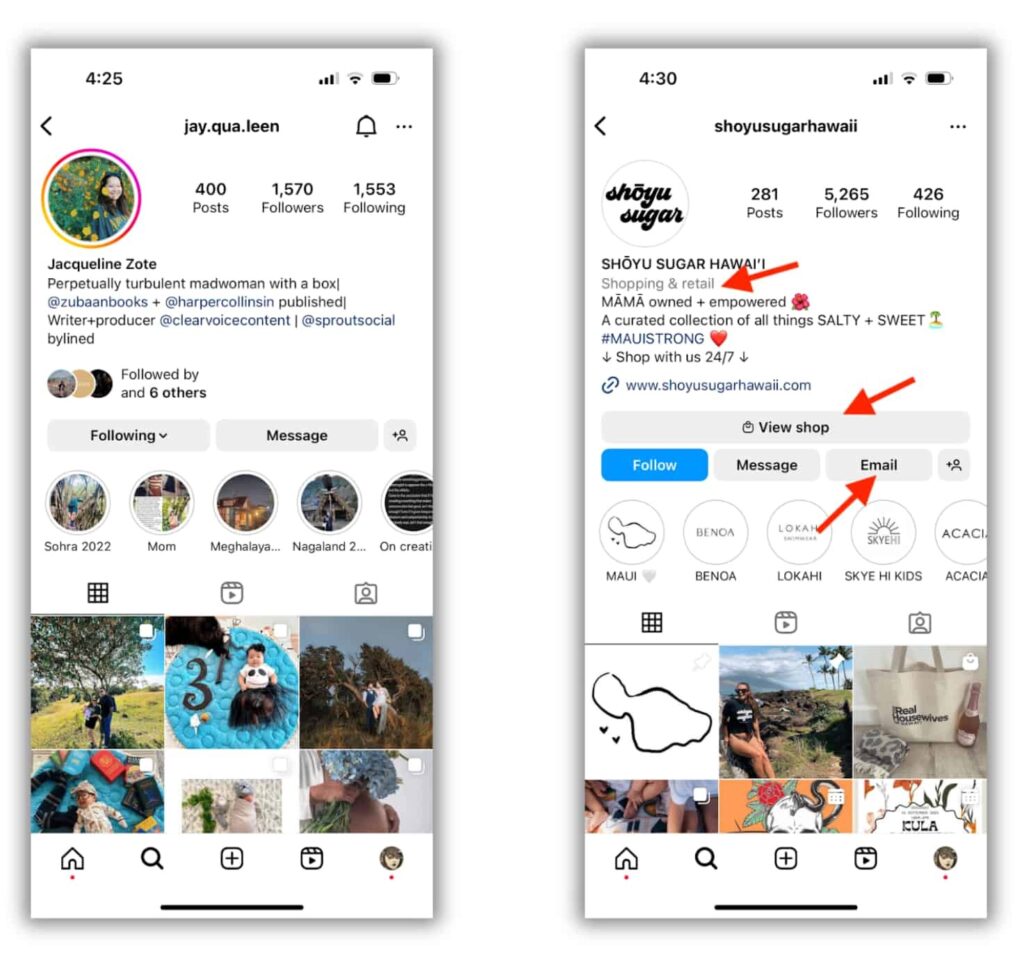
Your website acts as the verification layer.Meta AI cross-references your website to confirm what it sees across Meta platforms. If there is misalignment, trust decreases.
Your website should clearly communicate:
- Core services and revenue drivers
- Geographic positioning
- Industry specialization
- Proof elements and authority indicators
Service pages should be structured, specific, and commercially intentional. Vague language, such as “we do marketing,” weakens categorization. Clear positioning, such as “eCommerce revenue analytics and performance reporting,” strengthens it.
When your website aligns with your Meta profiles, three things improve:
- AI interpretability
- Lead quality
- Internal team clarity
At Market Aspex, we treat website structure as a business intelligence tool. When messaging aligns across platforms, the brand becomes easier to understand. When a brand is easier to understand, it becomes easier to recommend.
If you are ready to strengthen your visibility and operational clarity at the same time, explore how Market Aspex can help you clarify your data and scale with confidence.
5. Niche Clarity and Brand Consistency
Businesses are easier for Meta AI to recommend when their positioning is specific and consistent. If your messaging is overly broad, constantly changing, or disconnected across platforms, the system struggles to determine when you are relevant.
Strong niche positioning includes:
- Clearly defined primary services
- Industry or audience specialization
- Consistent terminology across website and social platforms
- Reinforcing third-party mentions that validate your expertise
From a revenue standpoint, niche clarity does more than improve AI visibility. It increases perceived authority, supports premium pricing, and attracts higher quality leads. Brands that clearly define who they serve and what they solve convert faster and retain clients longer.
Download free scorecard here
Market_Aspex_Meta_AI_Visibility_Scorecard.pdf
What the Scorecard Can Tell You
The Market Aspex Meta AI Visibility Scorecard is a strategic self-assessment tool. It is designed to help you evaluate structural clarity, not predict algorithmic outcomes.
Use it to review each of the five visibility drivers and identify patterns, inconsistencies, and gaps.
This scorecard helps you understand:
- Where your business information is clear versus ambiguous
- Which operational gaps may be limiting discoverability
- How to prioritize improvements based on impact
It does not tell you:
- Whether Meta AI will feature your business
- How frequently will you appear in AI-generated responses?
- How do you compare against specific competitors
AI visibility is influenced by multiple evolving systems. What you can control is clarity.
How to Use Your Results to Improve Visibility
After reviewing all five sections, the next step is prioritization.
If You Marked “Not Yet” Several Times
Start with foundational alignment:
- Update and fully complete your Meta profiles
- Ensure business details are consistent across platforms
- Enable messaging and implement structured response workflows
These are structural improvements. They improve both AI confidence and conversion efficiency.
If Most of Your Answers Were “In Progress”
You likely have the foundation in place, but inconsistency may be limiting visibility.
Focus on tightening systems:
- Refine and clarify service descriptions
- Proactively generate and respond to reviews
- Ensure your website reflects your current positioning and revenue drivers
Consistency builds interpretability. Interpretability improves discoverability.
If Most of Your Answers Were “Yes”
Your infrastructure is strong. Now the priority becomes maintenance.
- Keep information updated as your business evolves
- Monitor engagement and response times
- Revisit this scorecard quarterly to prevent drift
Visibility is cumulative. The brands that maintain clarity outperform those that constantly restart.
Improving Meta AI Visibility Starts With Clarity
If your audience spends time on Facebook, Instagram, or other Meta platforms, AI-assisted discovery matters. While you cannot control how Meta AI generates responses, you can control how clearly your business is presented.
When your positioning is structured, your messaging is aligned, and your proof signals are consistent, you improve more than visibility.
You strengthen revenue predictability.
You reduce acquisition friction.
You reinforce brand authority.
Use the Market Aspex Meta AI Visibility Scorecard to identify gaps and build long-term clarity.If you are ready to turn operational clarity into scalable growth, explore how Market Aspex can help you clarify your data and scale with confidence.
FAQs
Can I submit my business to Meta AI?
No. There is no submission portal or ranking request process. Visibility is based on how clearly your business is structured across trusted platforms.
Does Meta AI replace Google Search?
No. Google remains intent-driven and search-based. Meta AI operates inside conversational and social environments. Both influence discovery in different contexts.
How long does it take to see improvement?
Foundational clarity improvements can strengthen interpretability quickly. However, authority and engagement signals compound over time. Visibility grows with consistency.
Is this something I need to revisit?
Yes. As your services, offers, or positioning change, your digital infrastructure must remain aligned. Visibility is not a one-time initiative. It is an ongoing operational discipline.